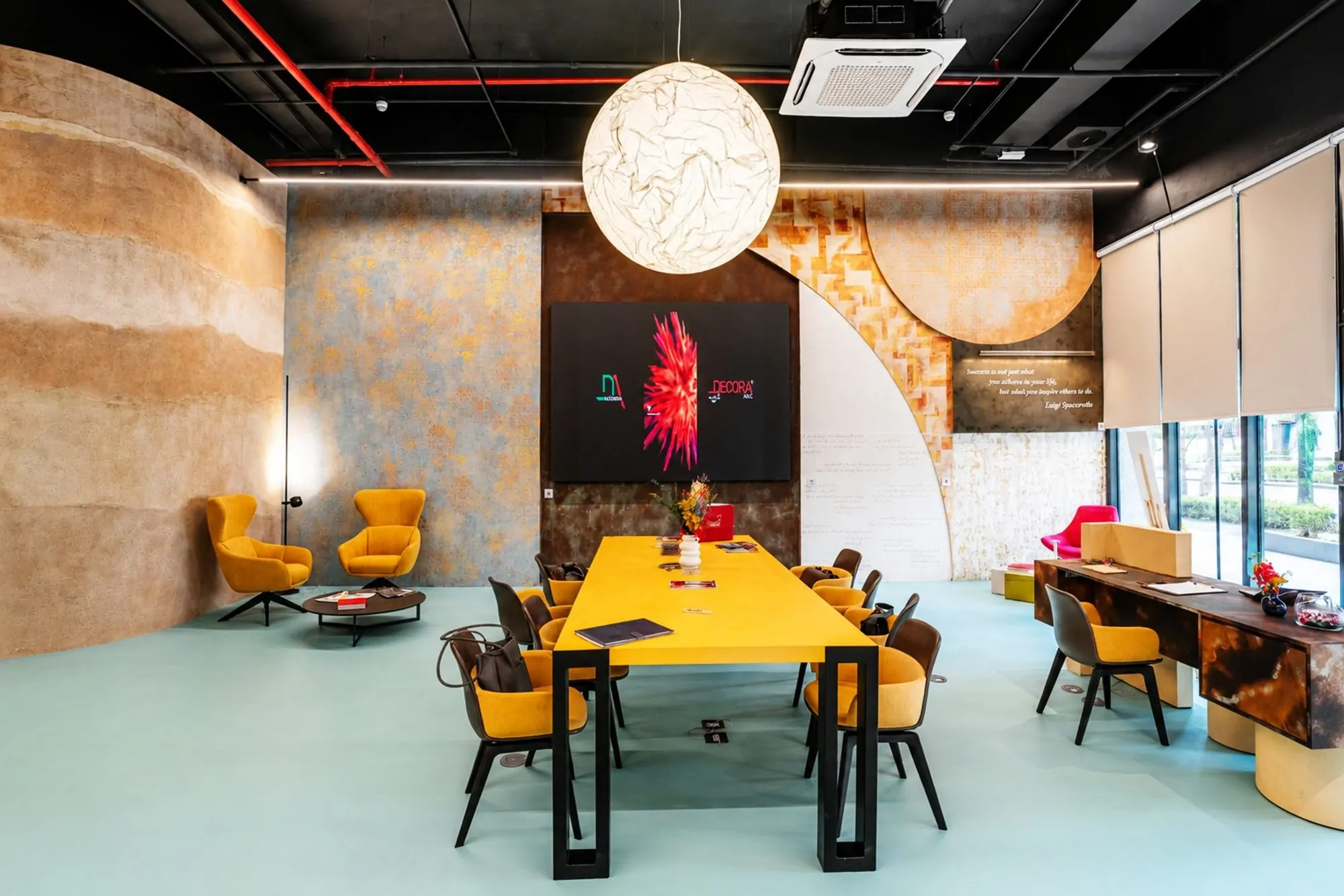
Is Your Workplace Driving Business Performance?
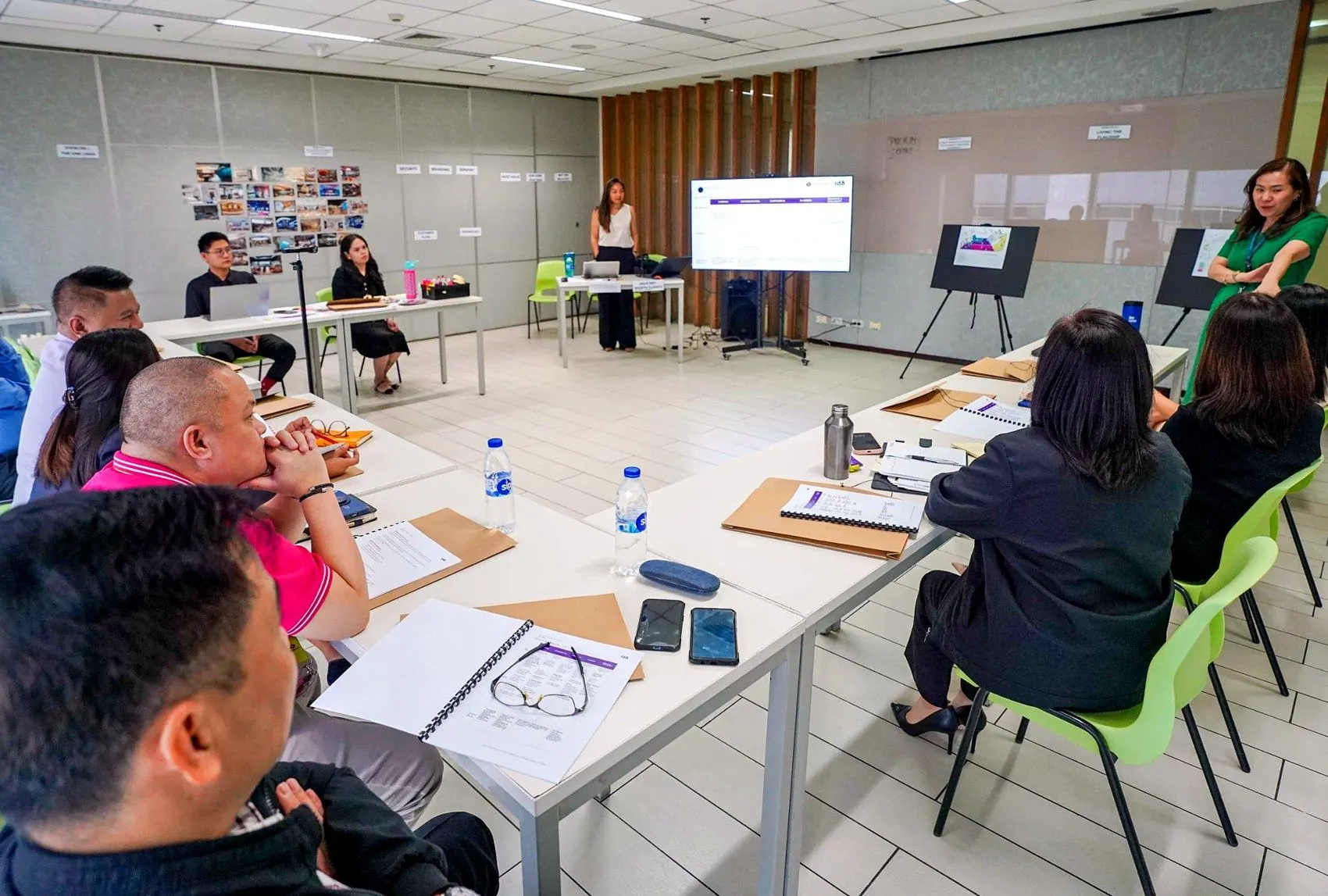
As organisations deal with uncertainty, pressure on talent and changing ways of working, the workplace is becoming part of how they stay resilient and perform over time.
Is Your Workplace an Asset or a Liability?
Volatility, uncertainty, complexity and ambiguity now shape most business environments. Organisations respond by investing in technology, talent and growth, yet the workplace is often left out of that conversation.
For decades, workplaces were judged on occupancy rates, desk utilisation and floor area efficiency. Those measures still matter, but they describe how a space is used, not what it makes possible.
The more useful question is not how many people are in the office. It is whether the workplace helps people do their best work.
Across projects in Australia and the Philippines, the pattern is consistent. Workplaces add the most value when they are shaped around business objectives, the needs of the people using them and how work actually happens.
SourcesWorld Economic Forum, Future of Jobs Report; JLL, Future of Work Research; CBRE, Workplace & Occupancy Insights.
Designing for the Way People Work
A full office does not automatically produce collaboration, innovation or engagement.
Over a single day, people move between focused work, problem-solving, collaboration and informal knowledge sharing. Each asks something different of the space around them.
When the workplace supports those shifts, productivity and the employee experience both benefit. When it does not, people work around it.
SourcesGlobal Workplace Survey; Leesman, Workplace Experience Research; Steelcase, Workplace Research.
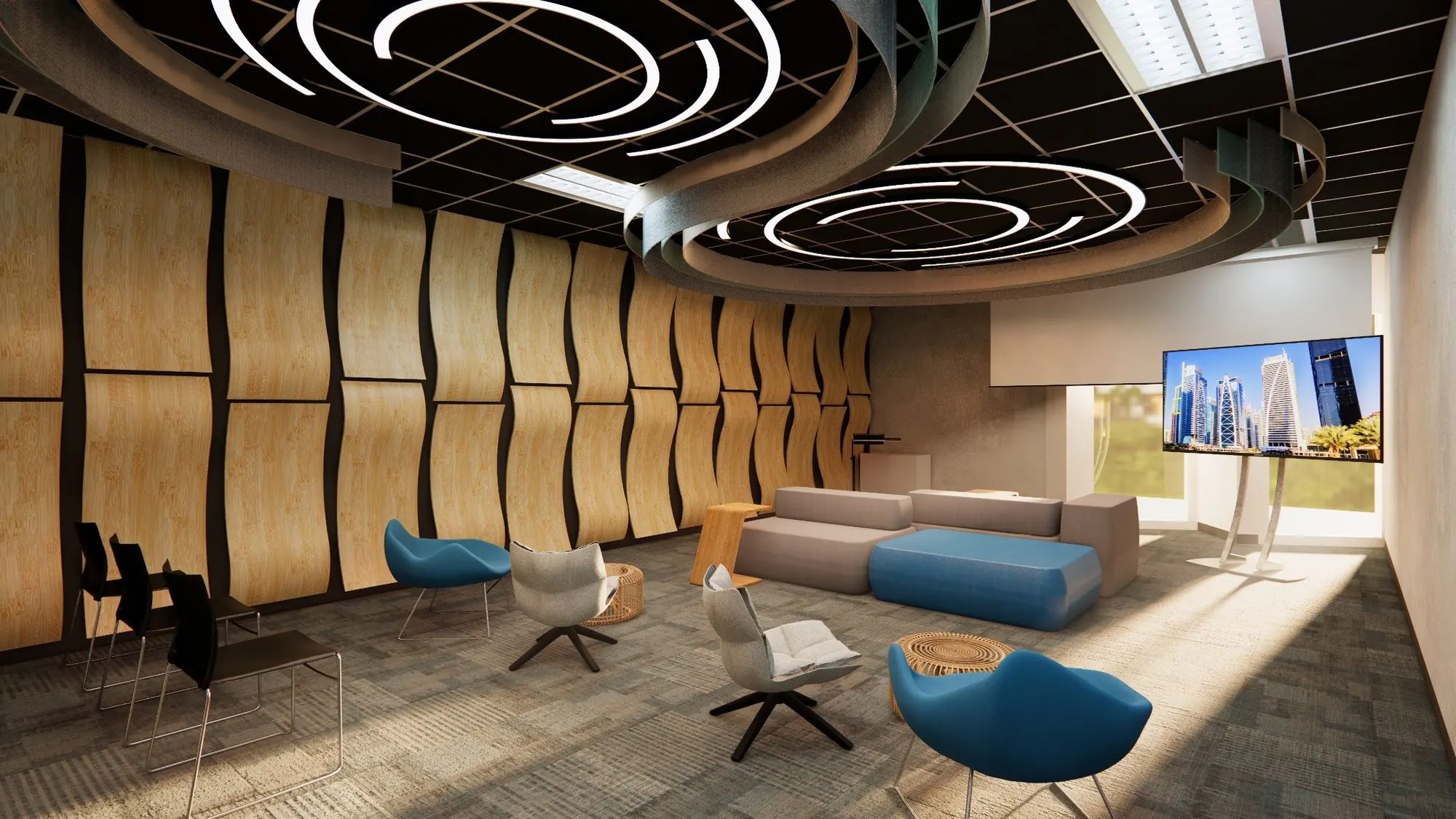
The Link Between Culture and Performance
A workplace is more than a physical environment. It reflects how decisions are made, how teams interact and how culture is felt day to day.
Design cannot create culture on its own. What it can do is make the behaviours an organisation wants easier, and the ones it wants to move away from harder.
SourcesHarvard Business Review; Gensler Research; Steelcase Research.
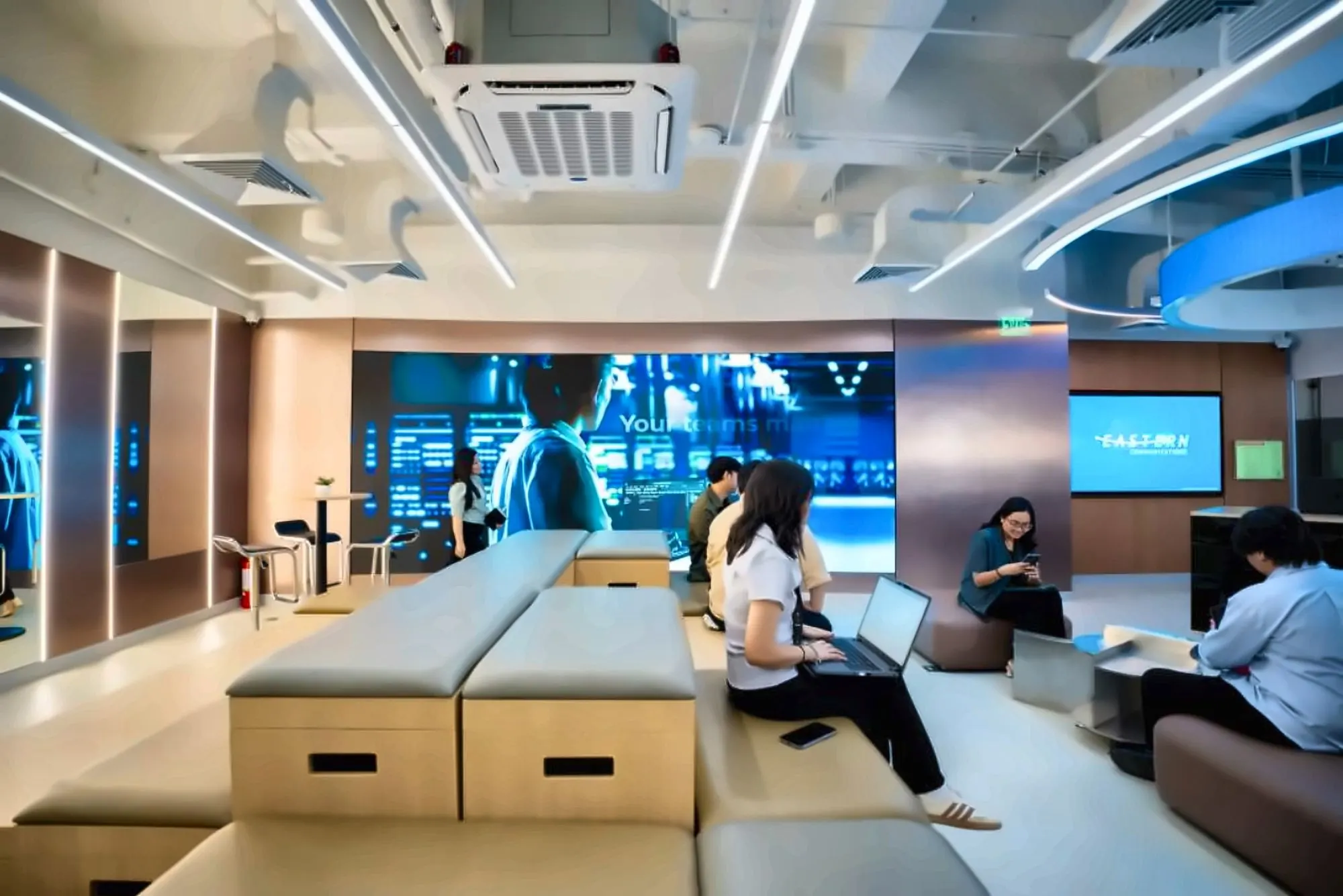
Strategy Before Space
Many workplace projects start with “How much space do we need?” A more useful starting point is “What business outcomes are we trying to achieve?”
Answering that first means people, place, culture and business objectives are aligned before any design decision is made. Space then becomes a tool for performance, not only a response to headcount.
SourcesCoreNet Global, Workplace Strategy Resources; Workplace Strategy Association of Australia.
Looking Ahead
The future workplace is not office-first or hybrid-first. It is performance-first.
Organisations that handle uncertainty well tend to have environments that support adaptability and engagement, wherever work happens.
Questions Worth Asking
Before the next workplace decision, three questions help frame the brief.
Does our workplace support the way our teams actually work?
Are we measuring attendance or performance?
Is our workplace helping us attract, retain and engage talent?
The answers show whether a workplace is simply accommodating people, or helping the organisation perform.